Posts

10 Best Supplements to Lower Your Alzheimer's and Dementia Risk (2026)
Image
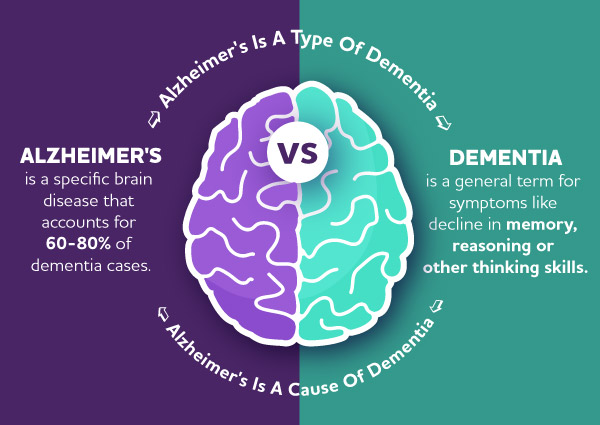
The most common type of dementia is Alzheimer’s Disease (AD). In March 2023, the Alzheimer’s Association of the United States  released its latest data  indicating that there are about 6.7 million Americans aged 65 and above suffering from Alzheimer’s disease. Without many breakthroughs in prevention, mitigation, or treatment, it is projected that this number could reach 13.8 million by 2060. Dementia is the name for a group of symptoms associated with an ongoing decline of brain functioning. It can affect memory, thinking skills and other mental abilities. Currently, there are no cures or effective medications to prevent or treat AD, which translates into USD 321 billion in healthcare costs in the US and over USD 1 trillion in the world [ R ] that places a significant financial and psychological burden on both patients as well as their family members or caregivers.   The exact cause of Alzheimer's disease is not yet fully understood, although a number of things are thou...

GLP‑1 Drugs for Alzheimer’s Disease: Can Semaglutide and Liraglutide Reduce Dementia Risk? (2026 Evidence Review)

Image
Quick Take GLP‑1 receptor agonists (such as semaglutide, liraglutide, dulaglutide) are not approved treatments for Alzheimer’s disease (AD). However, growing epidemiologic, preclinical, and early clinical evidence suggests they may reduce Alzheimer’s risk and slow cognitive decline indirectly by improving insulin signaling, neuroinflammation, vascular health, and mitochondrial function. This article reviews the science without hype — what looks promising, what’s proven, and what remains unknown. Why GLP‑1 Entered the Alzheimer’s Conversation Alzheimer’s disease is increasingly understood as a metabolic–inflammatory brain disorder , not just an amyloid problem. Hallmarks include: Brain insulin resistance (“ type 3 diabetes ” hypothesis) Mitochondrial dysfunction Chronic neuroinflammation Cerebrovascular impairment GLP‑1 drugs were originally developed for type 2 diabetes but have systemic effects highly relevant to AD pathophysiology. What Are GLP‑1 Receptor Agonists? GLP‑1 receptor ago...

Aesthetic & Metabolic Science: How GLP-1, Weight Loss, and Biology Shape Aging

Image
Understanding Beauty Through Biology, Not Trends Modern aesthetics no longer begins with injectables, devices, or skincare. It begins with metabolism, hormones, inflammation, and tissue biology . At AestheticsAdvisor , we approach aesthetics as a biological system, not a cosmetic one. Weight loss drugs, insulin resistance, chronic inflammation, and muscle loss now shape facial aging as much as wrinkles and sun exposure. Aesthetics Is Metabolism Made Visible The face and body are not isolated from internal health. Aesthetic aging reflects underlying biological processes. Insulin resistance Chronic low-grade inflammation Hormonal decline Mitochondrial dysfunction Loss of lean muscle mass Collagen degradation Medical weight loss—especially pharmacologically induced weight loss—accelerates or exposes these processes. GLP-1 agonists did not create aesthetic aging problems. They revealed them. GLP-1 Agonists: What They Actually Do Biologically GLP-1 recepto...

The Metabolic Therapy Stack: Complete Blueprint for Fat Loss, Insulin Sensitivity, and Energy Optimization (2026)

Image
The Metabolic Therapy Stack combines targeted nutrition, resistance training, circadian-aligned lifestyle, supplements, and optional medications to treat obesity as a metabolic disease . Focuses on restoring insulin sensitivity, mitochondrial function, and hormonal balance Weight loss is a side effect of metabolic repair , not calorie restriction alone Step 1: Nutrition for Metabolic Repair Prioritize protein: 1.2–1.6 g/kg/day to preserve lean mass Low-glycemic carbs: Minimize refined grains, sugar, and ultra-processed foods Healthy fats: Omega-3s, monounsaturated fats, MCTs Fiber & phytonutrients: Vegetables, berries, legumes Time-restricted eating: 10–12 hour feeding window to improve insulin sensitivity Optional Approaches: Low-carb or ketogenic cycles for insulin resistance Intermittent fasting for circadian alignment Mediterranean-style diet for cardiovascular benefit Related:  Obesity Is a Metabolic Disease: Insulin Resistance, Hormones, and Energy Balance Step 2: ...

Obesity Is a Metabolic Disease: A Comprehensive Guide to Insulin Resistance, Hormones, and Energy Balance

Image
Obesity is not a failure of willpower. It is a chronic metabolic disease driven by insulin resistance, hormonal dysregulation, mitochondrial dysfunction, and an obesogenic food environment. Sustainable weight loss requires restoring metabolic function — not simply eating less. Why the “Calories In, Calories Out” Model Failed For decades, obesity has been framed as a simple math problem:  Eat less. Move more. If this model were correct, obesity rates would be falling. Instead, they continue to rise globally — even among people actively trying to lose weight. Why? Because human metabolism is adaptive , not static. When calories are cut without addressing underlying biology: Hunger hormones rise Metabolic rate drops Fat loss slows Weight regain accelerates This is not a lack of discipline — it is normal physiology . Obesity Defined Correctly: A Metabolic–Hormonal Disorder Obesity is best understood as a disorder of: Energy partitioning (where calories go) Hormonal signaling Insulin s...

GLP-1 Drugs vs Lifestyle Changes vs Metabolic Therapy: Which Actually Works Long-Term?

Image
Quick Answer GLP-1 drugs produce the fastest short-term weight loss, lifestyle changes offer the lowest risk, and metabolic therapy provides the most durable long-term health improvements—but requires the most effort and personalization. Why This Comparison Matters With Ozempic, Wegovy, and similar GLP-1 drugs dominating headlines, many people are asking: Should I take a weight-loss drug? Can lifestyle changes still work? Is there a middle ground that fixes metabolism instead of suppressing appetite? The truth: these approaches work very differently , and choosing the wrong one can lead to disappointment, dependency, or rebound weight gain. Option 1: GLP-1 Drugs (Ozempic, Wegovy, Mounjaro) How They Work GLP-1 drugs mimic gut hormones that: Reduce appetite Slow digestion Increase insulin release Suppress hunger signaling in the brain Strengths ✔ Rapid weight loss (10–15% average) ✔ Strong evidence in diabetes and obesity ✔ Cardiovascular risk reduction in high-risk patients ✔ Minimal li...

Ozempic vs Wegovy for Weight Loss: What's the Difference?

Image
Semaglutide, known by the brand names Ozempic, Wegovy, Rybelsus and others, is one of the latest weight-loss craze to hit Hollywood and beyond. The prescription drug, which is administered via a weekly injection, is intended to treat Type 2 diabetes, but it’s widely used off-label for weight loss. They all belong to the same medication class — glucagon-like peptide-1 (GLP-1) agonists ( GLP-1 receptor agonists ).  GLP-1 agonists work by triggering insulin release, blocking sugar production in your liver, and making you feel full. But with all of these brands out there, how do you decide which is right for you? Let’s get to know some of the differences between these major GLP-1 agonist drugs. For those who want to dive deeper into the science, the AMA video by Peter Attia does a nice job of providing the background of this very popular drug.      A 2021 study funded by Novo Nordisk, the drug’s maker, found using semaglutide once a week led to a 14.9% reduction in b...

Labels

Show more

Archive

Show more