Posts

Showing posts with the label mouthwash

Cetylpyridinium chloride (CPC) vs Chlorhexidine: What's the Difference?
Image
There are a large number of mouth rinse products available to the general public. Many have not been thoroughly evaluated and relatively few comparisons of products have been made.  In this article, we would like to cover 2 popular mouths rinse products i.e.  cetylpyridinium chloride (CPC) and chlorhexidine. What is Cetylpyridinium Chloride (CPC)? Cetylpyridinium chloride (CPC) is obtained by quaternization of pyridine with cetyl chloride. CPC functions by penetrating the cell membrane. This causes cell components to leak, which eventually leads to cell death. It is a well-known antimicrobial agent used in mouthwash to promote gingival health. It has also been used as an antiseptic when treating infections in the mouth and throat. Cetylpyridinium Chloride Dangers Cetylpyridinium chloride in mouthwash has been misattributed as a cause of oral cancer in the past, but research has not shown it to link to any form ...
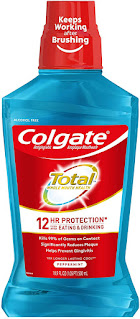
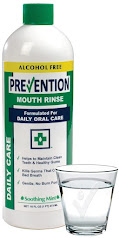
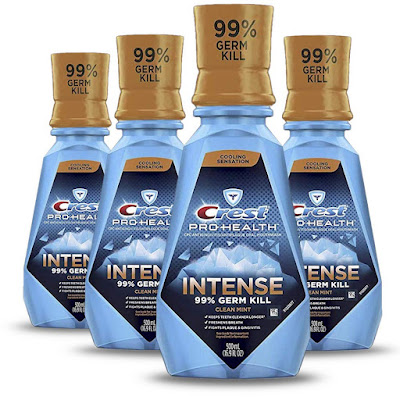
7 Best Cetylpyridinium Chloride Mouthwash Brands 2025

Image
A meta-analysis of 3 studies (C19early 2025) concluded that CPC (CetylPyridinium Chloride) may significantly lower risk with  viral clearance . One study shows significant benefit. Meta analysis using the most serious outcome reported shows 83% [6‑97%] lower risk . Results are consistent with early treatment being more effective than late treatment. A study, published in Nature ( Takeda 2022 ) concluded that CPC (CetylPyridinium Chloride) may inhibit SARS-CoV-2 infection even at lower concentrations. Another team of international scientists has also demonstrated the usefulness of cetylpyridinium chloride-containing mouthwashes in inhibiting severe acute respiratory syndrome coronavirus 2 (SARS-CoV-2) and reducing the risk of viral transmission. The study is published in the Journal of Medical Microbiology (2022). A scientific review, published in the  Journal of Formosan Medical Association  (2022) also concluded that mouthwash containing CPC shows potential fo...

Is Mouthwash Ruining Your Health?

A growing number of dentists and medical professionals are cautioning against the indiscriminate use of popular mouth rinses, suggesting that they may inadvertently contribute to cavities and persistent bad breath. There is also an emerging correlation between regular mouthwash use and more serious health issues, including high blood pressure, heart disease, and oral diseases. The Evolution Of Mouth Rinses A  May 2023 study  published in The Journal of Ethnopharmacology notes that “The Book of Rites” (“Li Ji,” written around 221 B.C.) from the period of the early Qin Dynasty recorded that rinsing with salt water was used as a tooth cleaning method during that time. But our modern-day mouth rinse products are far from a simple salt water rinse. In fact, they were originally not even intended for oral rinse purposes. The antiseptic mouth rinses Listerine,  acquired from Pfizer  by Johnson & Johnson in 2006, was originally developed as a surgical antiseptic in 1865 ...

5 Best Mouthwashes that Contain Hydrogen Peroxide 2023

Image
Chinese health authorities recommended the use of povidone–iodine (PI) and hydrogen peroxide-based mouth-rinses as a  pre-procedural preventive measure ,  while the  American Dental Association   has advocated the use of 1% hydrogen peroxide mouth-rinse before dental examination. However, the  April 2020 version of the ADA Interim Guidance  recommended: Since SARS-CoV-2 may be vulnerable to oxidation, use 1.5% hydrogen peroxide (commercially available in the US) or 0.2% povidone iodine as a pre-procedural mouth-rinse ( Int J Oral Sci. 2020 ).   Hydrogen Peroxide Mouthwash Benefits - The antibacterial properties of Hydrogen Peroxide helps the body fight off bacterial infections, thus preventing sore throats. - It is a powerful disinfectant, which can prevent ulcers and canker sores from getting infected, therefore helping them heal faster. - It may help whiten your teeth after several months of consistent use. Can Hydrogen Peroxide Get Rid of a Too...

1% Povidone Iodine Mouthwash and Gargle

Image
There has been quite a lot of activity in povidone iodine mouthwash space, and so we thought we’d do a round-up and summary on some of the relevant interviews and studies. Dr McCullough's interview with Dr Peter Breggin In this September 14, 2021 interview with Peter Breggin MD, author of Talking Back to Prozac, Dr. Peter McCullough discusses the routine use of diluted (1%) Povidone Iodine mouth wash i n the dental office as an excellent preventive measure for COVID-19.  10% Povidone Iodine is available OTC (Over the Counter) without a prescription at any drug store for a few dollars. Here is the link:   Povidone 10% Iodine on Amazon Note: This 10% Povidone Iodine must be diluted by one tenth, to 1% strength before use as a mouth wash, otherwise it is too strong and irritating. Dilute by adding 2 tablespoons (30 ml) of the 10% Povidone Iodine into a full glass of water (250-300 ml). This will make the product diluted enough to use as a mouth rinse, or gargle, (approximately 1....

Cetylpyridinium chloride-containing mouthwashes shown to inhibit COVID-19 virus in oral cavity

Image
Virucidal activity of CPC-containing oral rinses against SARS-CoV-2 variants and are active in the presence of human saliva A team of international scientists has demonstrated the usefulness of cetylpyridinium chloride-containing mouthwashes in inhibiting severe acute respiratory syndrome coronavirus 2 (SARS-CoV-2) and reducing the risk of viral transmission. The study is currently available on the  bioRxiv * preprint server. Cetylpyridinium chloride Mouthwash ( Amazon ) Background Due to the presence of angiotensin-converting enzyme 2 (ACE2) in the oral gingival epithelium and salivary glands, the human oral cavity may act as a reservoir for SARS-CoV-2. The ACE2 present on the host cell membrane acts as the primary entry receptor for SARS-CoV-2. Evidence indicates that the saliva of SARS-CoV-2-infected individuals contains high amounts of viral RNA and that aerosols formed from the saliva can act as a potential vector for viral transmission. ...

Labels

Show more

Archive

Show more