Posts

Showing posts from January, 2026

17 Best Natural Ozempic Alternatives 2026 (Resource Guide)

Image
Some of the best natural alternatives to Ozempic include berberine, a supplement that has shown potential in managing blood sugar and promoting weight loss, often referred to as “nature’s Ozempic” in wellness communities. High-fiber foods also play a crucial role by helping to control appetite and improve metabolic health. Other natural options include psyllium husk, which provides soluble fiber supporting satiety and digestive health, and curcumin, known for its anti-inflammatory properties, which may aid metabolic balance. Additionally, green tea extract, magnesium, protein-rich foods, and lifestyle factors like adequate sleep and stress reduction contribute to weight management.  However, none of these natural alternatives are as potent or fast-acting as Ozempic itself, and their effects can vary widely among individuals. It is important to consult a healthcare provider before starting any supplement regimen, especially for managing blood sugar or weight loss. The 2023 rep...

Best GLP-1 for Weight Loss Over the Counter: What Science Really Says (2026)

Image
Introduction GLP-1 (glucagon-like peptide-1) drugs like Ozempic and Wegovy are prescription medications known for weight loss. Many people ask: “What is the best GLP-1 for weight loss over the counter?” The short answer: There are no OTC drugs that act directly as GLP-1 receptor agonists. However, certain dietary strategies, lifestyle habits, and supplements can modestly support your body’s own GLP-1 secretion. 1. Why Over-the-Counter GLP-1 “Drugs” Don’t Exist GLP-1 receptor agonists are prescription-only. They mimic GLP-1 and resist enzymatic breakdown. They produce substantial weight loss (10–15% body weight). They require medical supervision due to potential side effects such as nausea, pancreatitis, or thyroid issues. ⚠️ Important: Any OTC product claiming to be a “GLP-1 drug” is not legitimate and should be avoided. 2. Natural GLP-1 Support: Dietary Strategies Protein-Rich Foods Stimulate GLP-1 release after meals. Sources: eggs, fish, lean meats, whey protein, legumes. Dietar...
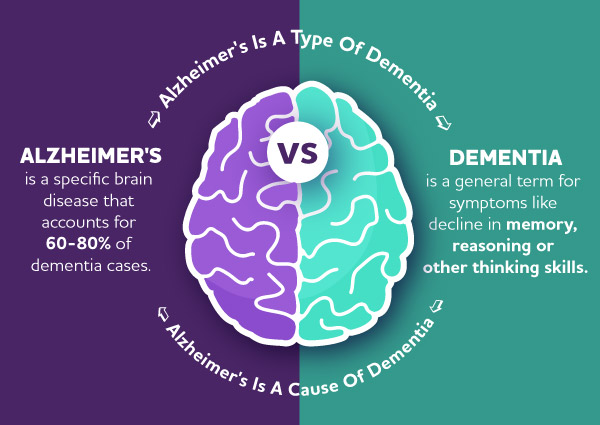
GLP‑1 Drugs for Alzheimer’s Disease: Can Semaglutide and Liraglutide Reduce Dementia Risk? (2026 Evidence Review)

Image
Quick Take GLP‑1 receptor agonists (such as semaglutide, liraglutide, dulaglutide) are not approved treatments for Alzheimer’s disease (AD). However, growing epidemiologic, preclinical, and early clinical evidence suggests they may reduce Alzheimer’s risk and slow cognitive decline indirectly by improving insulin signaling, neuroinflammation, vascular health, and mitochondrial function. This article reviews the science without hype — what looks promising, what’s proven, and what remains unknown. Why GLP‑1 Entered the Alzheimer’s Conversation Alzheimer’s disease is increasingly understood as a metabolic–inflammatory brain disorder , not just an amyloid problem. Hallmarks include: Brain insulin resistance (“ type 3 diabetes ” hypothesis) Mitochondrial dysfunction Chronic neuroinflammation Cerebrovascular impairment GLP‑1 drugs were originally developed for type 2 diabetes but have systemic effects highly relevant to AD pathophysiology. What Are GLP‑1 Receptor Agonists? GLP‑1 receptor ago...

8 Natural Ways to Increase GLP-1: What Science Really Shows (2026 Evidence Review)

Image
GLP-1 (glucagon-like peptide-1) has become a major focus in weight loss and metabolic health due to the success of prescription drugs like semaglutide and tirzepatide. This has led to growing interest in natural ways to increase GLP-1 through diet, gut health, and lifestyle changes. But how much can GLP-1 really be increased naturally — and what does the science actually show? This article reviews human clinical evidence , mechanistic research, and expert consensus to separate biological plausibility from marketing hype . What Is GLP-1 and Why It Matters GLP-1 is an incretin hormone released by intestinal L-cells after eating. It plays several roles in metabolic regulation: Enhances insulin secretion Suppresses glucagon Slows gastric emptying Promotes satiety and appetite control However, native GLP-1 is short-lived , breaking down within minutes. This is why pharmaceutical GLP-1 analogues are chemically modified to last much longer in the body. Why Boosting GLP-1 Na...

Labels

Show more

Archive

Show more