GLP‑1 Drugs for Alzheimer’s Disease: Can Semaglutide and Liraglutide Reduce Dementia Risk? (2026 Evidence Review)
Quick Take
GLP‑1 receptor agonists (such as semaglutide, liraglutide, dulaglutide) are not approved treatments for Alzheimer’s disease (AD). However, growing epidemiologic, preclinical, and early clinical evidence suggests they may reduce Alzheimer’s risk and slow cognitive decline indirectly by improving insulin signaling, neuroinflammation, vascular health, and mitochondrial function.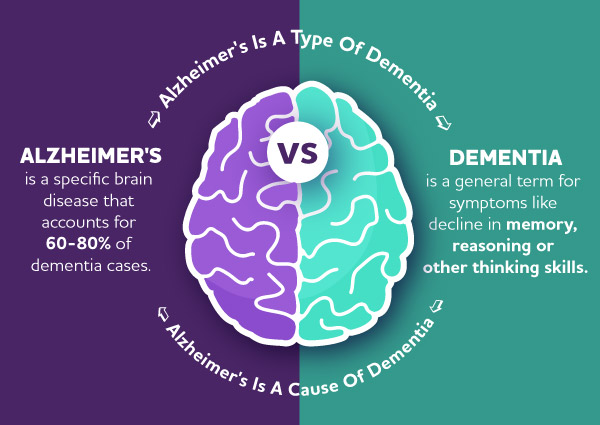
This article reviews the science without hype — what looks promising, what’s proven, and what remains unknown.
Why GLP‑1 Entered the Alzheimer’s Conversation
Alzheimer’s disease is increasingly understood as a metabolic–inflammatory brain disorder, not just an amyloid problem. Hallmarks include:
Brain insulin resistance (“type 3 diabetes” hypothesis)
Mitochondrial dysfunction
Chronic neuroinflammation
Cerebrovascular impairment
GLP‑1 drugs were originally developed for type 2 diabetes but have systemic effects highly relevant to AD pathophysiology.
What Are GLP‑1 Receptor Agonists?
GLP‑1 receptor agonists (GLP‑1 RAs):
Enhance insulin sensitivity
Reduce glucotoxicity and lipotoxicity
Lower systemic and central inflammation
Improve endothelial and mitochondrial function
Importantly, several GLP‑1 drugs cross the blood–brain barrier, allowing direct central nervous system effects.
Mechanisms Relevant to Alzheimer’s Disease
1. Brain Insulin Signaling
Alzheimer’s brains show impaired insulin receptor signaling.
GLP‑1 activation enhances insulin sensitivity in neurons and glia.
Improved insulin signaling supports synaptic plasticity and memory.
2. Neuroinflammation Reduction
GLP‑1 drugs suppress microglial activation.
Reduce pro‑inflammatory cytokines (TNF‑α, IL‑6).
Shift microglia toward neuroprotective phenotypes.
3. Mitochondrial & Synaptic Protection
Increased mitochondrial biogenesis
Reduced oxidative stress
Preservation of synaptic density in animal models
4. Amyloid & Tau Modulation (Indirect)
Reduced amyloid‑β production and aggregation in rodent models
Attenuation of tau hyperphosphorylation
Effects appear secondary to metabolic normalization, not direct amyloid targeting
What the Research Shows
1. Preclinical Evidence
Animal and cellular studies consistently show:
Improved learning and memory in AD mouse models
Reduced amyloid plaque burden
Reduced tau pathology
Improved cerebral glucose metabolism
These effects have been observed with liraglutide, semaglutide, and exendin‑4.
2. Observational Human Studies
Large real‑world datasets suggest:
Lower incidence of Alzheimer’s and dementia in diabetic patients using GLP‑1 drugs
Reduced risk compared with insulin or sulfonylureas
Benefits appear strongest with longer duration of use
These studies cannot prove causation but strongly support biological plausibility.
3. Clinical Trials (Status)
Early phase trials with liraglutide showed signals of reduced brain atrophy but inconsistent cognitive outcomes.
Large randomized controlled trials with semaglutide in Alzheimer’s disease are ongoing (results pending).
As of 2026:
❌ No GLP‑1 drug is approved for Alzheimer’s treatment
⚠️ Evidence remains suggestive but not definitive
GLP‑1 vs Amyloid‑Targeting Drugs
GLP‑1 Drugs vs Amyloid‑Targeting Drugs
GLP‑1 Drugs
Target metabolic and inflammatory pathways
Systems‑level approach to neurodegeneration
Cognitive benefit: not yet proven
Safety profile generally favorable
Cost: moderate compared to biologics
Amyloid‑Targeting Antibodies
Target amyloid plaque accumulation
Single‑pathway disease model
Cognitive benefit: modest at best
Safety concerns include ARIA, brain edema, and hemorrhage
Cost: very high
GLP‑1 drugs represent a metabolic systems approach, not a plaque‑removal strategy.
Who Might Benefit (Hypothesis)
GLP‑1 therapy may be most relevant for:
Patients with insulin resistance or type 2 diabetes
Obesity‑associated cognitive decline
Early or prodromal Alzheimer’s (MCI)
Mixed Alzheimer’s–vascular dementia
They are unlikely to reverse advanced neurodegeneration.
Safety Considerations
Common side effects:
Nausea, vomiting
Appetite suppression
Weight loss
Less common but relevant in older adults:
Sarcopenia risk with excessive weight loss
Dehydration
Gallbladder disease
Careful dosing and nutritional monitoring are essential, especially in frail patients.
What This Means Clinically
What GLP‑1 drugs are:
Metabolic modulators with strong biological rationale in AD
Promising disease‑risk modifiers
What they are not (yet):
Proven Alzheimer’s treatments
Cognitive enhancers with guaranteed benefit
Their greatest value may lie in prevention, risk reduction, and early intervention rather than late‑stage disease.
FAQ: GLP‑1 Drugs and Alzheimer’s Disease
Are GLP‑1 drugs approved for Alzheimer’s disease?
No. As of 2026, no GLP‑1 receptor agonist is FDA‑approved for treating Alzheimer’s disease.
Does Ozempic or semaglutide prevent Alzheimer’s?
Observational studies suggest lower dementia risk in people using GLP‑1 drugs, but this does not prove prevention. Randomized trial results are still pending.
Do GLP‑1 drugs work better than amyloid drugs?
GLP‑1 drugs target metabolic and inflammatory pathways, while amyloid drugs target plaques. Neither has shown strong cognitive improvement to date, but GLP‑1s may have broader systemic benefits.
Who might benefit most from GLP‑1 therapy?
People with insulin resistance, obesity, type 2 diabetes, or early cognitive decline may benefit most, based on current evidence.
Bottom Line
GLP‑1 receptor agonists represent one of the most biologically coherent non‑amyloid strategies being explored for Alzheimer’s disease. While definitive clinical proof is still pending, the convergence of metabolic, inflammatory, and epidemiologic evidence makes them a serious area of investigation.
They should be viewed as potential disease‑modifying risk modulators, not miracle cures.
Editorial Note
This content is for educational purposes only and does not constitute medical advice. Treatment decisions should be made in consultation with qualified healthcare professionals.
Related: Best Supplements and Diet for Dementia and Alzheimer’s Disease (2026 Evidence‑Based Guide)







Comments
Post a Comment